Cover Site Prep & Utilities: The Thousand Oaks Owner’s Guide
We stock and install Cover-compatible site prep and utility components across Thousand Oaks, with most replacements running $1,800 to $6,500 installed depending on scope. If your Cover unit’s foundation anchors, sewer lateral, or electrical feeder have failed, we can usually get a crew out within a few days, not a few weeks. Most owners discover the problem the hard way: a tripped breaker that won’t reset, a sewer smell near the unit, or a visible shift in the ground around the foundation pads after a Ventura County rain year.
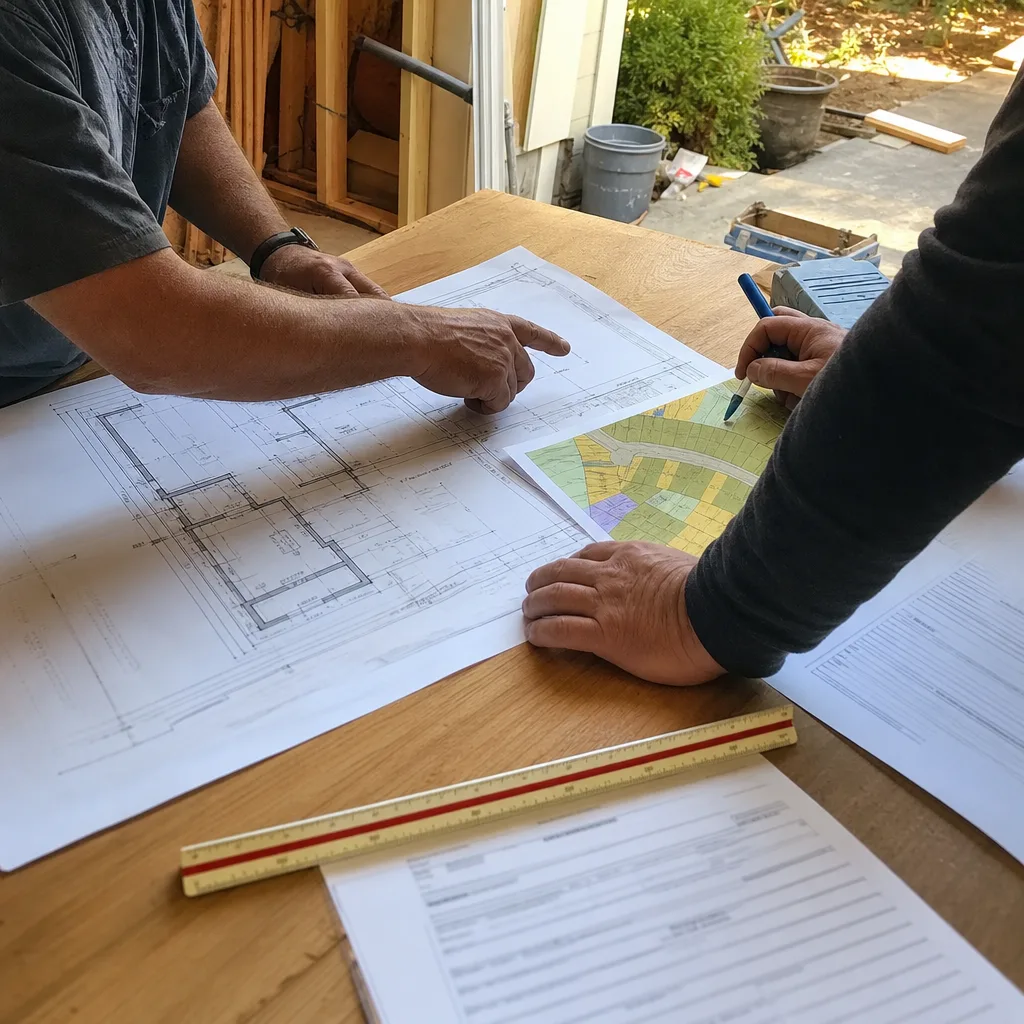
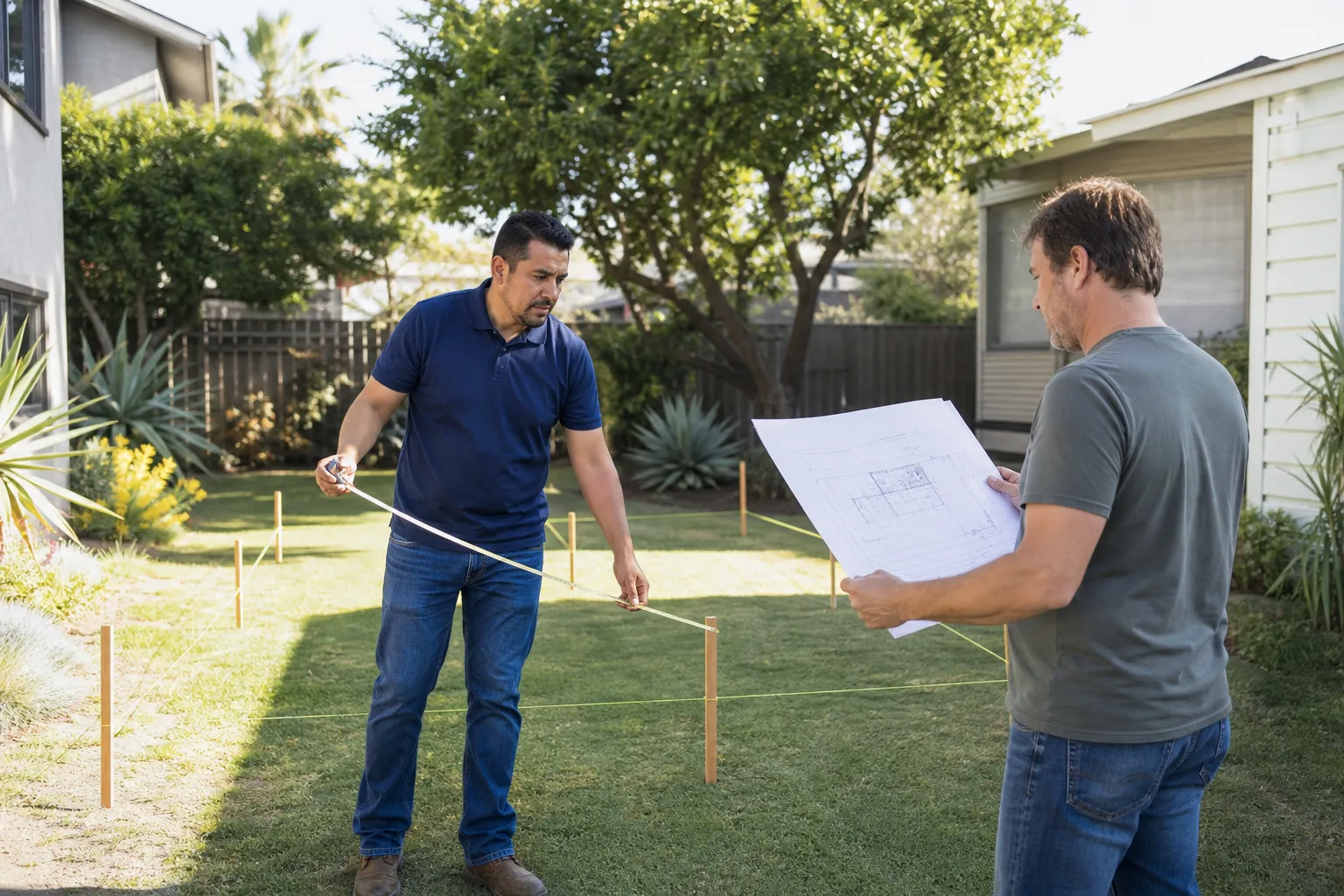
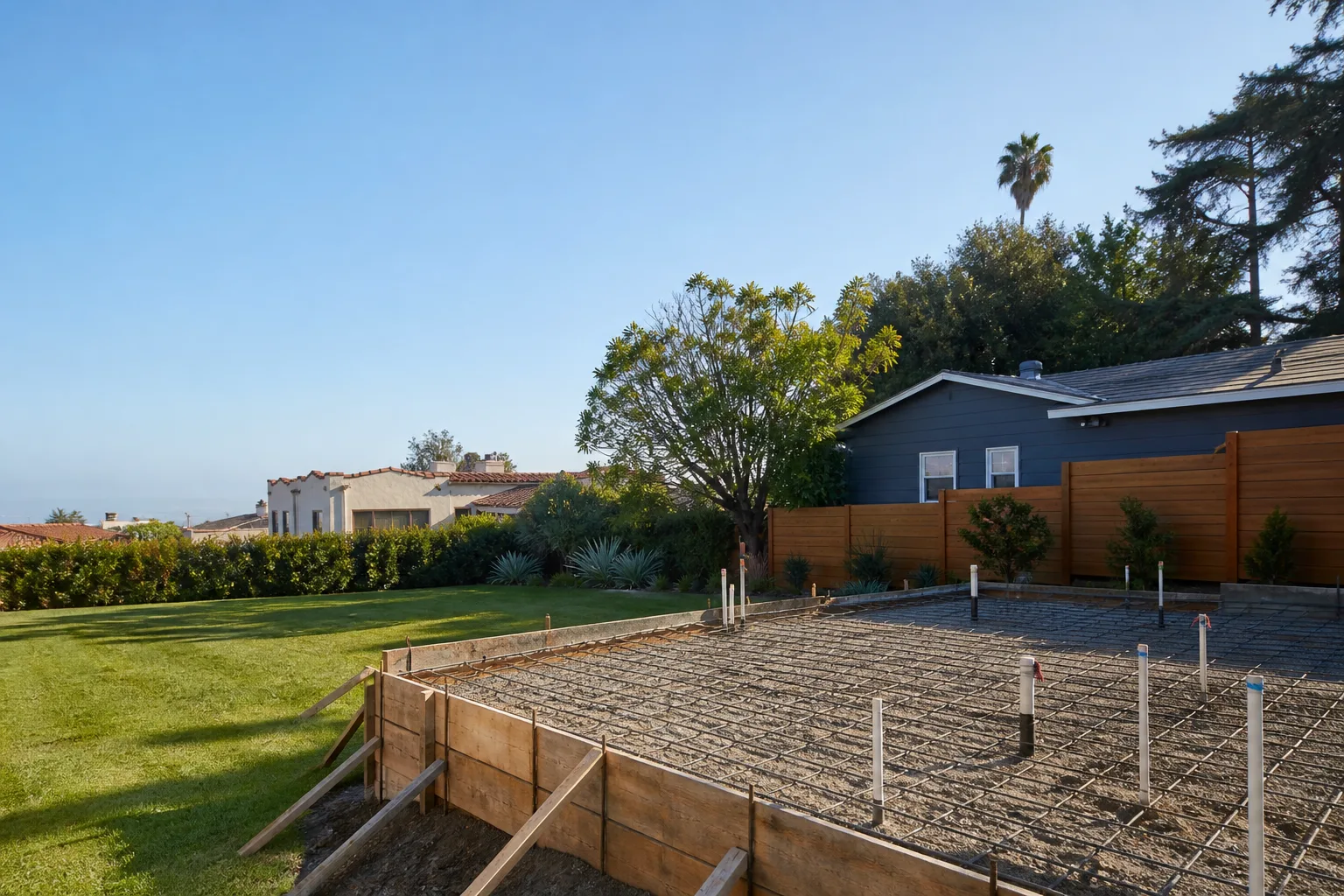
Site prep and utilities are the unglamorous half of any Cover install. The unit itself is factory-built to tight tolerances. What fails first is almost always what touches California soil: the concrete pads, the anchor bolts, the underground conduit, the sewer tap, the water line. We’ve pulled failed Cover utility runs in Thousand Oaks neighborhoods from Lynn Ranch to Newbury Park, and the failure pattern is consistent: water intrusion at the connection points and soil movement at the pad edges. Reed Calloway has been chasing these failures for more than a decade, and the fix is rarely as simple as swapping a part. It’s diagnosing why the part failed so it doesn’t happen again next season.
Which Cover Models This Applies To
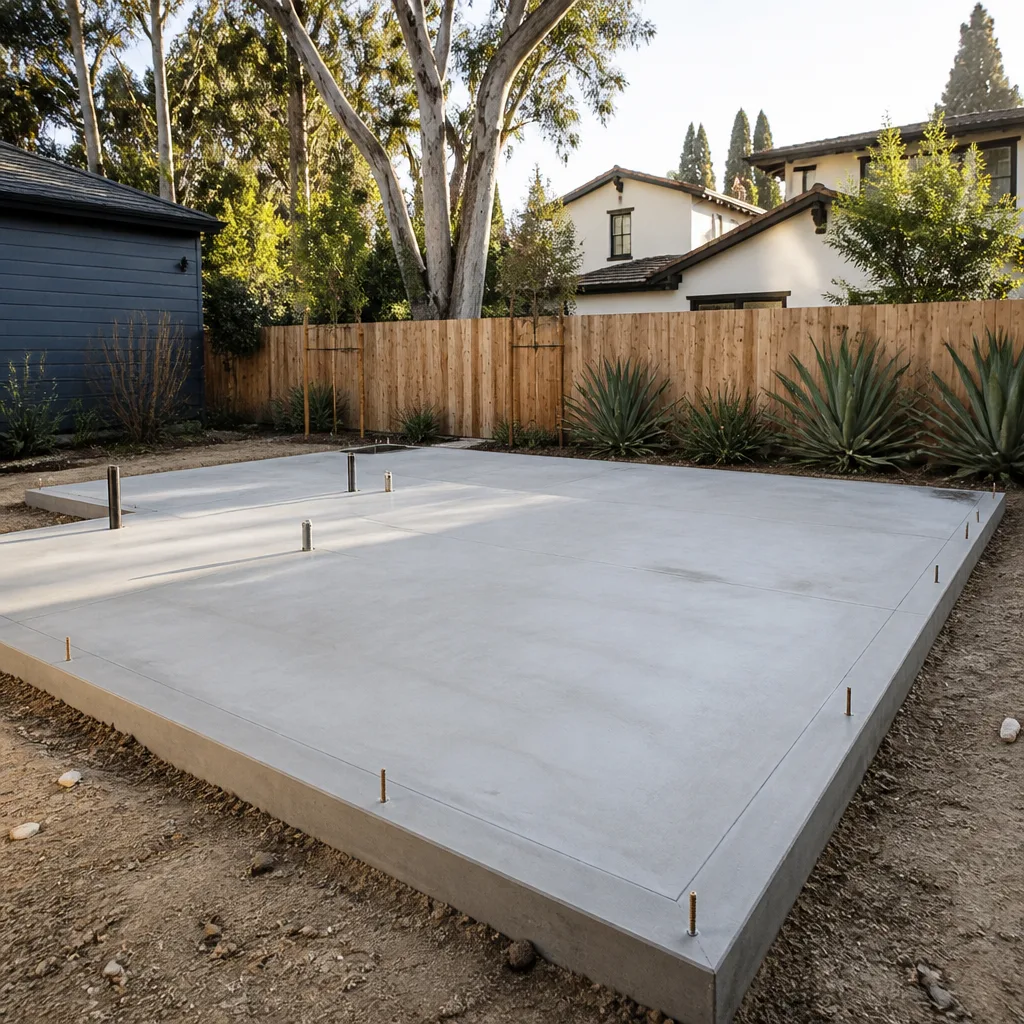
Cover builds its units on a steel chassis with a proprietary foundation interface, and the site prep and utility connections are specified per model line. The Cover 1 (studio), Cover 2 (one-bedroom), and Cover 3 (two-bedroom) all share the same utility rough-in logic: a single sewer lateral, a 100-amp or 200-amp electrical feeder depending on the unit’s HVAC package, and a main water service sized for the unit’s fixture count. What changes between models is the foundation anchor pattern and the exact location of the utility stub-outs on the chassis.
Here’s the compatibility gotcha most owners miss: Cover’s early production units (pre-2021) used a different anchor bolt spacing and a smaller diameter sewer stub than current units. If you have an older Cover and you’re replacing the sewer connection, the off-the-shelf fitting from a Thousand Oaks plumbing supplier won’t match it. You need the specific adapter or you need to cut and re-flange the stub. We keep the common adapter sizes in stock for both generations.
We are an independent service provider, not a Cover factory dealer. That matters when you’re sourcing parts: we match OEM components where they matter (the anchor system, the electrical disconnect rated for the unit’s load) and recommend quality aftermarket equivalents where they don’t (PVC sweeps, vapor barrier, sewer cleanouts). The OEM part is not always the smartest buy. A factory-branded 90-degree sewer sweep costs four times what a Charlotte or NDS sweep costs, and they hold up the same in Thousand Oaks clay soil.
Signs Your Cover Site Prep & Utilities Are Failing
- Water pooling near the foundation pads after rain. This usually means the grade has settled away from the unit or the French drain – if one was installed – has silted over. In Thousand Oaks, our dry summers shrink the clay soil and our winter rains swell it; over three or four seasons, the ground moves enough to reverse the drainage slope. The fix is regrading and, often, compacting a new base course.
- Breaker trips on the Cover unit’s feeder circuit, especially during heat waves. This points to a failing underground conductor or a corroded connection in the service disconnect. Thousand Oaks summers push air conditioners hard, and a marginal connection that worked all winter will trip under sustained load. We megger-test the feeder before condemning it; sometimes it’s just a loose lug.
- Sewer odor outside the unit, worse in the morning. The most common cause is a cracked or separated sewer lateral at the point where the Cover chassis stub meets the underground line. Different settlement rates between the unit’s foundation piers and the buried pipe put stress on that joint. We’ve seen the rubber coupling simply slide off.
- Visible gaps between the unit’s steel skirting and the concrete pads. This means the pads have moved. It could be root pressure, poor compaction at original install, or a leaking water line eroding the pad base. If you see this, stop ignoring it. The unit is gradually losing its bearing surface, and the next step is stress on the chassis itself.
- Low water pressure inside the unit, isolated bubbles in the flow. That’s a kinked or crushed water service line, usually where it passes through the unit’s exterior wall chase or under a walkway crossing. We’ve also found pinhole leaks in cheap polyethylene line used by original contractors who weren’t familiar with Ventura County’s water pressure. At 60 to 80 psi, a bad fitting will fail. It’s just a matter of when.
Replacement Cost & What’s Included
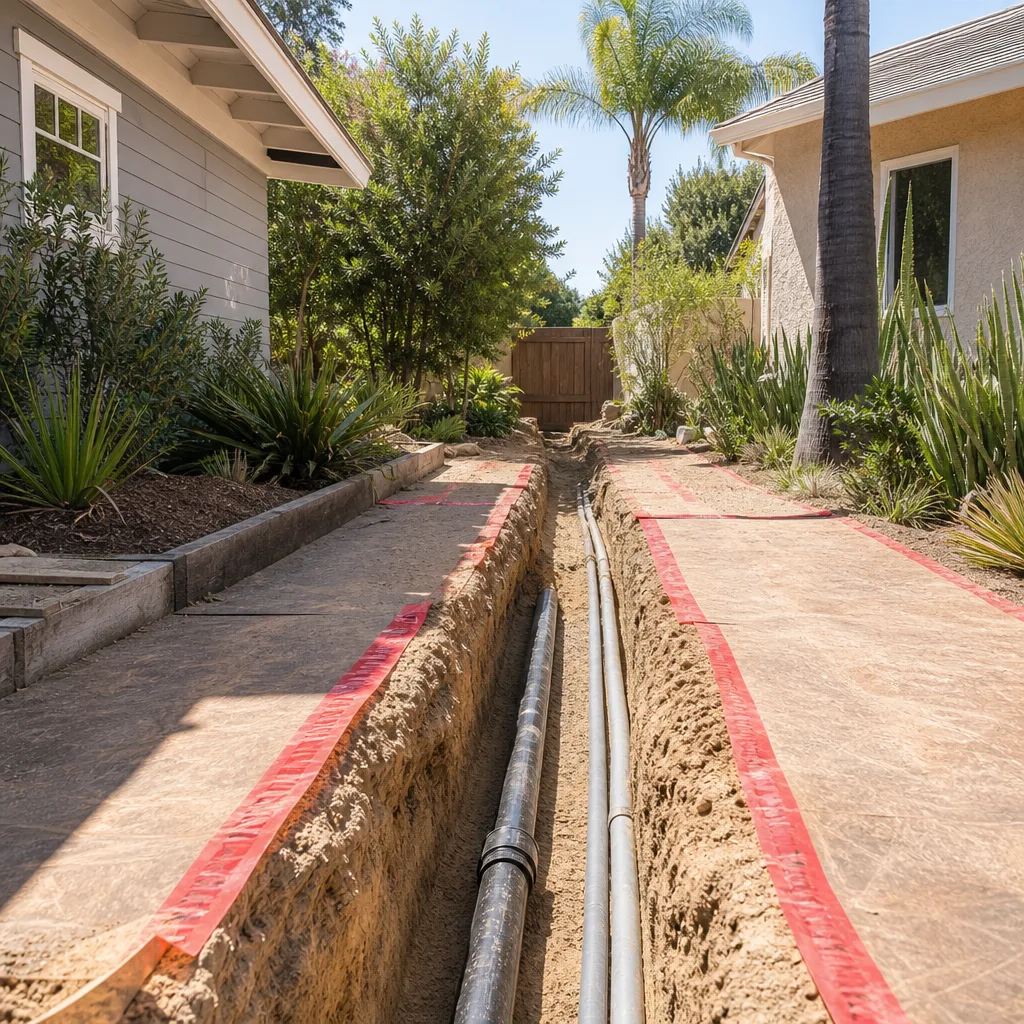
In Thousand Oaks, a focused repair like replacing a failed sewer coupling or swapping a corroded disconnect typically runs $1,800 to $3,200. A fuller utility overhaul – new sewer lateral from the Cover stub to the city tap, new electrical feeder with conduit, new water service, regrade and recompact around the pads – lands between $4,000 and $6,500. The range depends on how deep the utilities are buried, whether the original trench is in compacted fill or native soil, and how much concrete cutting is involved if a walkway or patio covers the line.
Every quote we write is a written price before any work starts, and it includes parts, labor, trenching or cutting, backfill, compaction, and cleanup. You’ll see every line item before you approve anything. If we find something unexpected once the ground is open, we stop and put the change in writing before proceeding. No surprises on the final invoice, ever. That’s the Garrison Standard, and we’ve been building to it since 2006. The work itself carries our one-year written guarantee: if something fails inside that year, we come back and correct it at no charge.
DIY or Call Us?
Here’s the honest split. There are things you can safely check yourself: reset the breaker once and see if it trips again under normal load, look for visible water pooling after a rain, note where the sewer smell is strongest. That tells you what you’re dealing with so you can describe it accurately on the phone. But opening a live electrical disconnect, excavating a sewer lateral, or repairing a gas line if your Cover uses gas – those are not homeowner jobs. A 200-amp feeder carries enough current to kill you before the breaker clears. A sewer lateral holding a day’s worth of waste is not a clean DIY Sunday project. We recommend a trained professional for anything below the surface or behind the panel. Call us at (805) 309-3020 and we’ll walk the site, diagnose it, and hand you a written price.
FAQs

In Thousand Oaks specifically, expect 10 to 15 years from the original underground utility runs before soil movement and water intrusion start causing real problems. The foundation anchors and pads can go longer if the original compaction was done to spec, but many original installs in this area were rushed. We regularly see failures at year 8 or 9 when the original contractor skimped on base rock depth.
Some components, like a corroded disconnect, are clean swaps. Others, like a settled foundation pad, sometimes just need mudjacking and re-anchoring rather than a full repour. What we won’t do is patch something that’s fundamentally undersized. A 100-amp feeder that’s tripping under your current HVAC load should be upgraded to 200-amp, not band-aided with a bigger breaker. Call (805) 309-3020 and we’ll tell you straight what’s repairable and what isn’t.
A single utility repair – say, a failed sewer coupling or a disconnect swap – usually takes one full day on site, plus whatever inspection scheduling Ventura County requires. A full utility overhaul with trenching, new lines, backfill, and compaction typically runs three to five working days. Permits add time: expect a few days to a week for the city to turn around the simple ones, longer if a soil report gets flagged. Call (805) 309-3020 to get a realistic timeline for your specific situation.
Yes, on the truck. We carry the common sizes: 4-inch schedule 40 sewer sweeps and couplings, 2-inch electrical schedule 80 conduit with sweeps, 100-amp and 200-amp disconnects, anchor bolt sets for both current and pre-2021 Cover interface patterns, and the adapter fittings those older units need. For less common parts, we can usually source them from our Ventura County suppliers within two or three days. We don’t make you wait on a factory backorder for something a local supplier has on the shelf. We also support Abodu and Dvele units with the same parts approach.
Written by Reed Calloway, Owner, Fielding ADU Thousand Oaks at Fielding ADU Thousand Oaks, serving Thousand Oaks and nearby areas.
If your Cover site prep or utilities are acting up in Thousand Oaks, call (805) 309-3020 for a free estimate. We’ll put the price in writing before any work starts, and stand behind it for a year after the job’s done. Put it in writing, build it as written.