Dvele Site Prep & Utilities: The Thousand Oaks Owner’s Guide
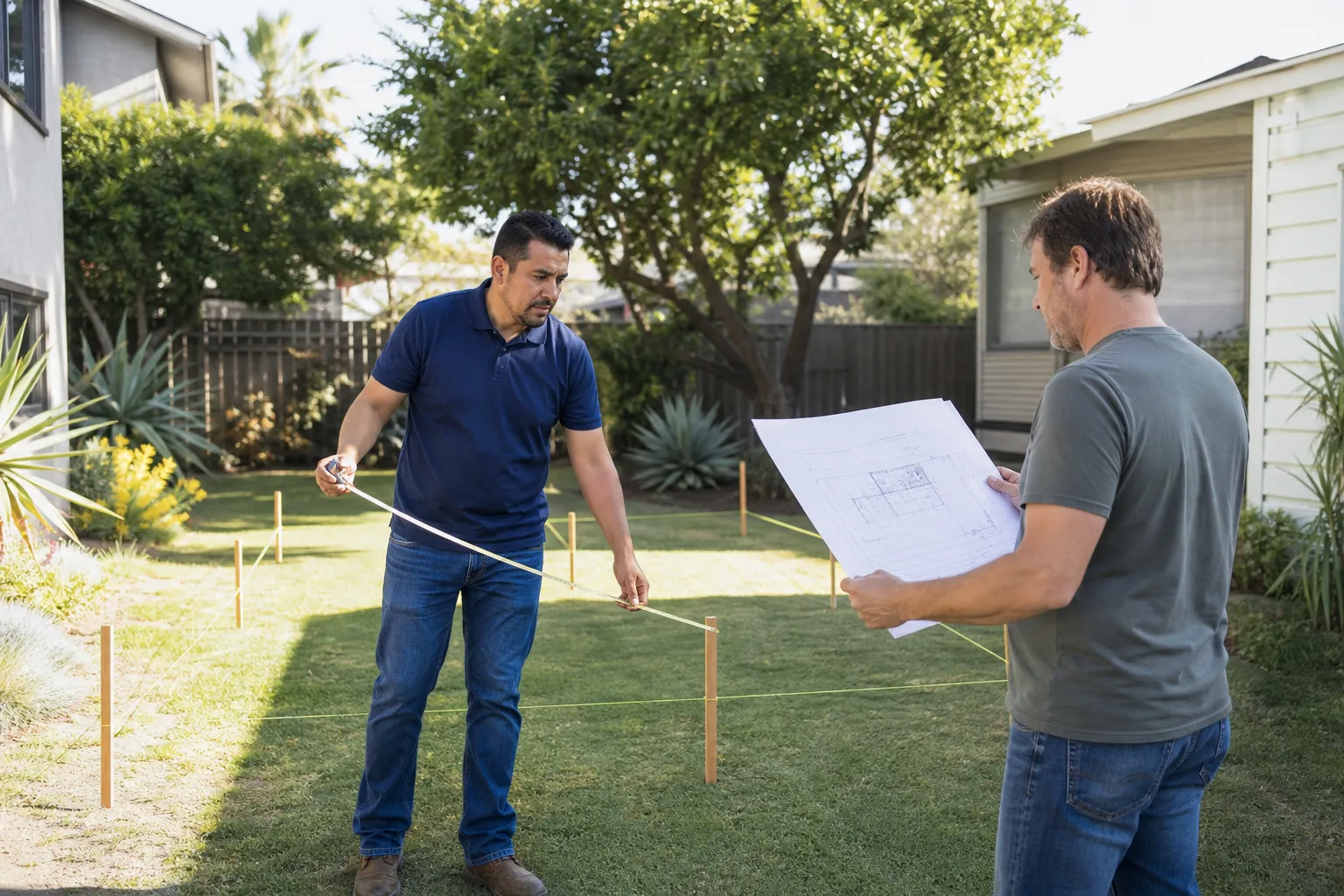
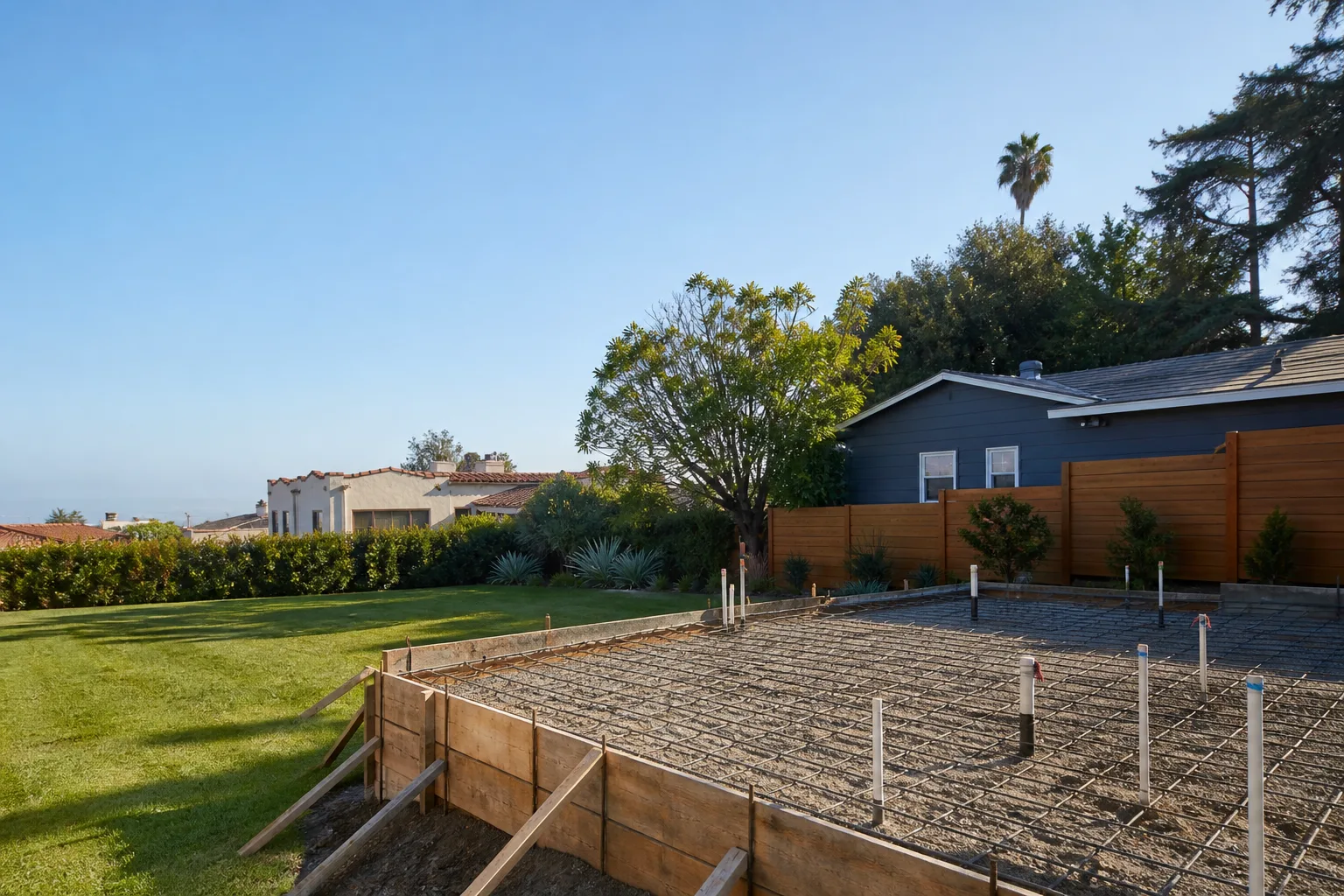
Dvele site prep and utilities work in Thousand Oaks typically runs $18,000 to $45,000 depending on your lot, utility distances, and what the soil report says. We stock and install Dvele-compatible site prep components – trenching, water and sewer laterals, electrical service, grading, and foundation pads – and we can usually get a crew on your site within two weeks of a signed scope. Most owners find out their site prep was done wrong when the Dvele delivery truck shows up and the crane can’t reach the pad, or when the city inspector flags a utility trench that’s two inches too shallow.
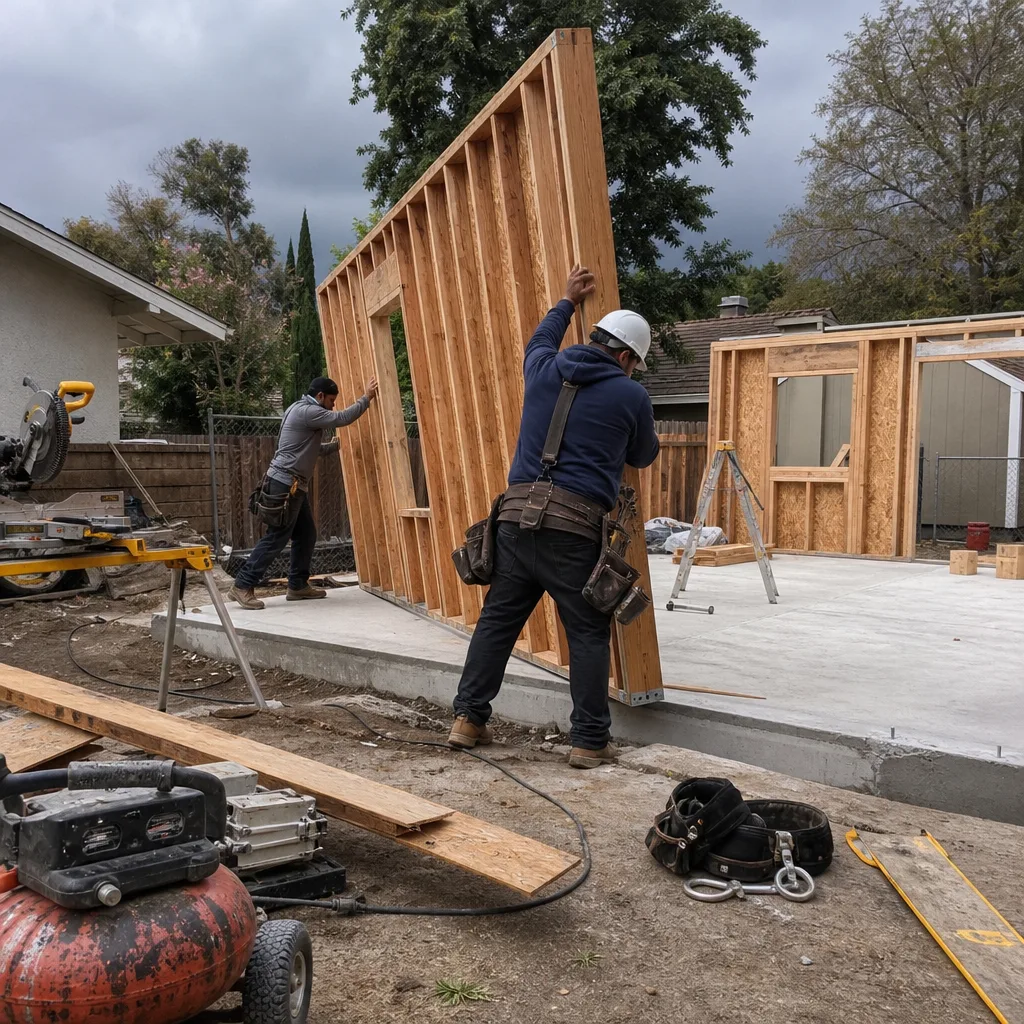
We’re an independent service provider, not affiliated with Dvele. We know their installation specs because we’ve worked on Dvele projects across Thousand Oaks, including a recent one off Lynn Road where the original site contractor had set the pad elevation six inches too high and every utility stub had to be corrected before the module could set.
Which Dvele Models This Applies To
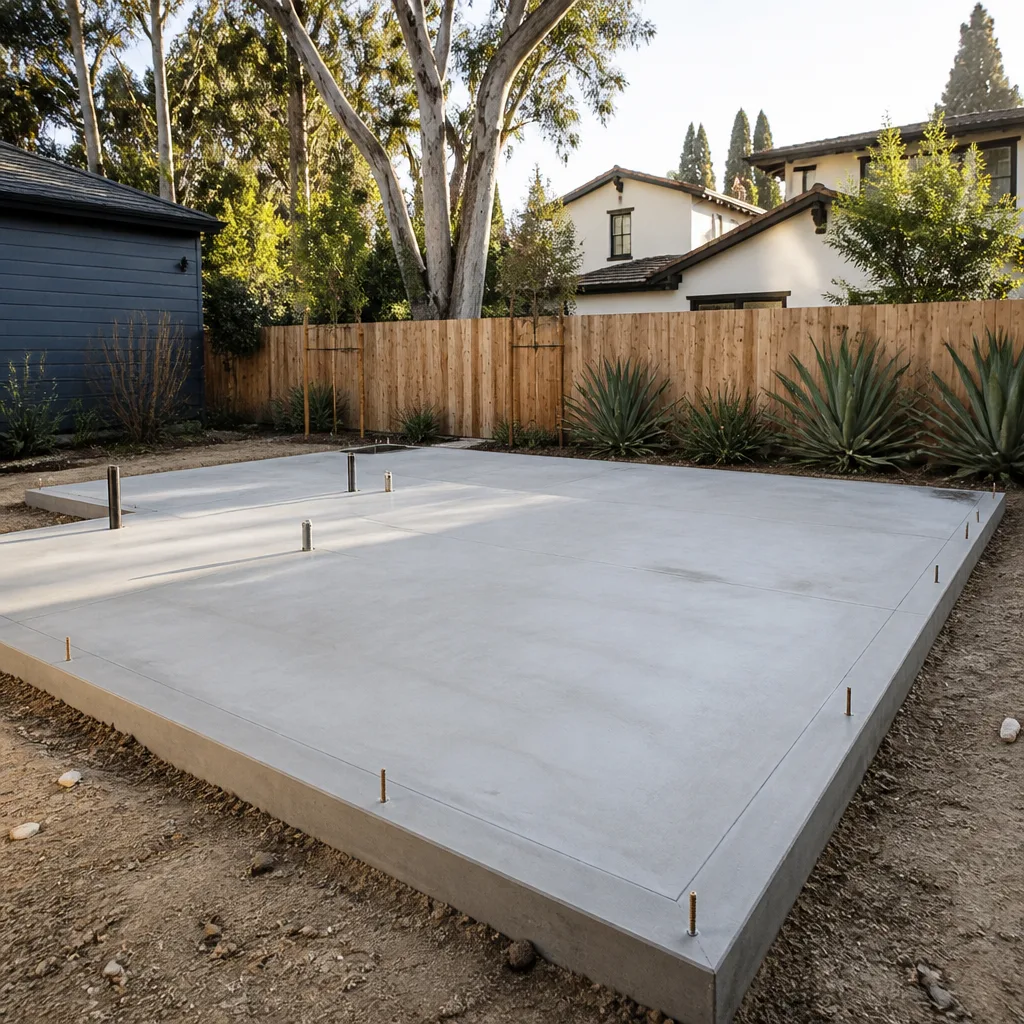
Dvele’s current lineup – the Dvele IQ, Dvele Adapt, and Dvele Origin series – all share the same site prep fundamentals, but the Adapt line has a narrower tolerance window because its chassis sits lower to grade. The utility stub locations are printed on Dvele’s site prep drawings, and if you don’t have those drawings, the labels on the module itself will tell you the series and model year.
Here’s the compatibility gotcha we see regularly: a Dvele module built before 2021 has a different electrical service entry point than post-2021 builds. If you’re reusing an old foundation pad, measure the conduit stub location before you order the trench work. A five-foot error there means cutting into the pad later, and that’s a costly fix nobody wants on day one. For OEM versus aftermarket site prep components – water line sizing, electrical panel feed, sewer cleanout placement – we default to OEM-spec materials because Dvele’s warranty documentation references their own spec sheets. Aftermarket equivalents exist, but when the module is a six-figure structure, saving $300 on a cleanout fitting isn’t the place to get clever.
Signs Your Dvele Site Prep & Utilities Is Failing
- Standing water along the foundation pad after rain. This usually means the pad slope was poured wrong or the drainage swale settled. In Thousand Oaks, our winter rains expose grading errors within the first season.
- Slow drains or gurgling toilets inside the module. The sewer lateral was either trenched without proper slope or a cleanout fitting was buried by the landscaping crew. We see this on sites where the original trenching was done before final grade was set.
- Breaker trips when two appliances run at once. The electrical feed may be undersized for the module’s actual draw. Dvele homes run a lot of systems off one panel, and a 200-amp panel on paper doesn’t always mean 200 amps at the service entry.
- The module sits visibly unlevel. Soil compaction under the pad wasn’t tested or the pad was poured on fill that’s now settling. Ventura County soils near the hills compress more than owners expect.
- City inspector flags something on a re-inspection. If the original site work was never finaled, don’t assume the fix is minor. Open permits in Thousand Oaks mean the entire utility run may need to be re-exposed and re-inspected from scratch.
Replacement Cost & What’s Included
| Scope of Work | Typical Range in Thousand Oaks |
|---|---|
| Water and sewer lateral correction (trench, replace, backfill, inspect) | $8,000 – $15,000 |
| Electrical service upgrade or correction to Dvele spec | $4,500 – $12,000 |
| Pad grading and drainage correction | $5,000 – $14,000 |
| Full site prep from raw lot to module-ready | $18,000 – $45,000 |
The range is driven by three things: how deep the utilities need to go (Ventura County trenching requirements vary by hillside versus flat lot), how far the street connection is from the pad, and whether the soil report requires additional compaction or gravel fill. Every scope we write includes a line-by-line breakdown: materials, labor, permit fees, and inspection coordination. No lump-sum “site work” line that hides the real cost.
The Garrison Standard covers our workmanship for 365 days. If a trench settles, a conduit shifts, or a drain backs up because of something we did wrong, we come back and fix it at no charge. That’s in writing before you sign anything. Reed Calloway writes the scopes himself, and he doesn’t leave a line item that disappears after the contract’s signed. Put it in writing, build it as written.
DIY or Call Us?
You can safely check a few things yourself: walk the pad after rain and mark where water pools, check the cleanout caps to see if they’re accessible, and confirm the electrical panel amperage printed on the breaker. That information helps us price the fix before we even come out.
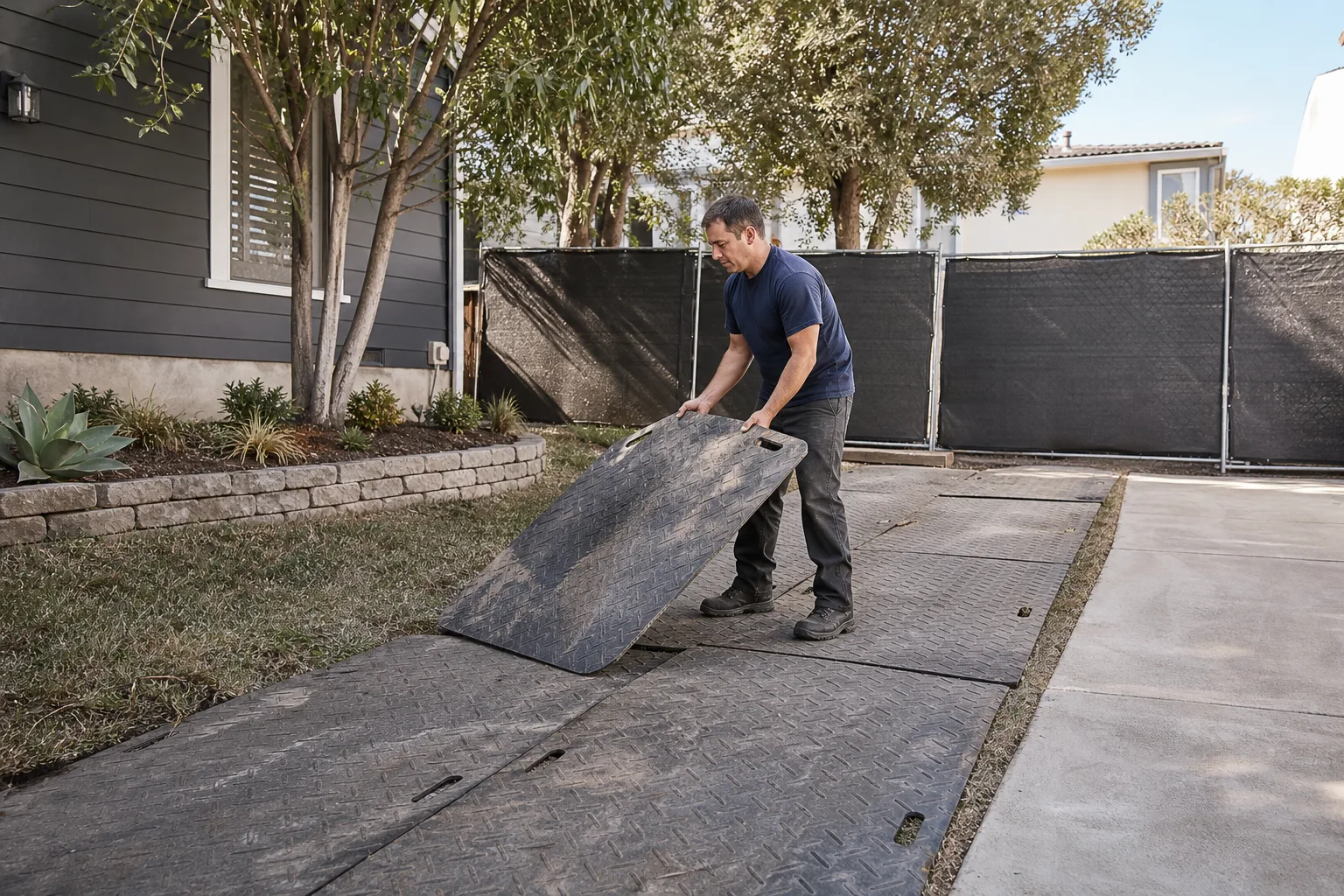
What you shouldn’t do is excavate around live utility lines, especially gas or electrical service. Hitting a buried line in a Thousand Oaks backyard isn’t a DIY mistake – it’s a hospital visit and a code enforcement problem. Utility trenching, pad re-grading, and electrical service work in Ventura County require a permit and an inspection. Doing it unpermitted means redoing it later when the city finds out. If you’re seeing signs that your Dvele site prep is off, call us at (805) 309-3020. We’ll tell you over the phone whether it sounds like a simple fix or a redo, and you won’t get a sales pitch either way.
FAQs
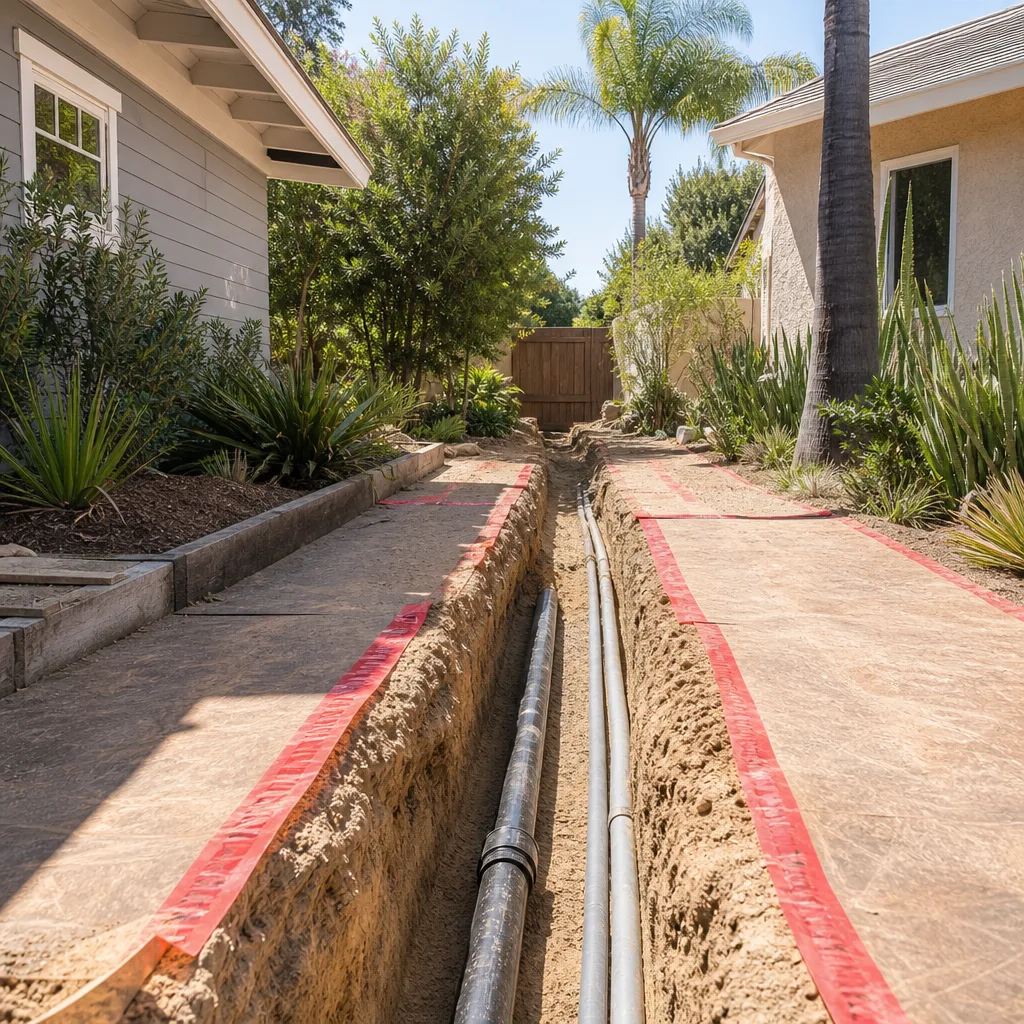
Properly done site prep – compacted soil, correct drainage slope, and utility laterals installed to Ventura County code – should last the life of the module, which is decades. The failure point on most Thousand Oaks Dvele sites is drainage: our clay-heavy hillside soils expand and contract with wet and dry seasons, and poorly graded pads show problems within two to three years. Call (805) 309-3020 and we’ll tell you what your site specifically needs based on what we’re seeing in your neighborhood.
Most site prep failures can be repaired without tearing out the module – we rarely have to lift a Dvele unit off its pad. The exception is when the pad itself was poured without proper compaction underneath. That’s a pad replacement, not a repair. The scope and price depend on what the soils engineer’s report says, and we give you that report before we touch anything.
A straightforward utility correction – one trench, one lateral, one inspection – takes three to five working days including the city inspection. A full pad and drainage redo can run two to three weeks depending on permit review timing at the City of Thousand Oaks. We coordinate the inspections so you’re not the one chasing the permit office.
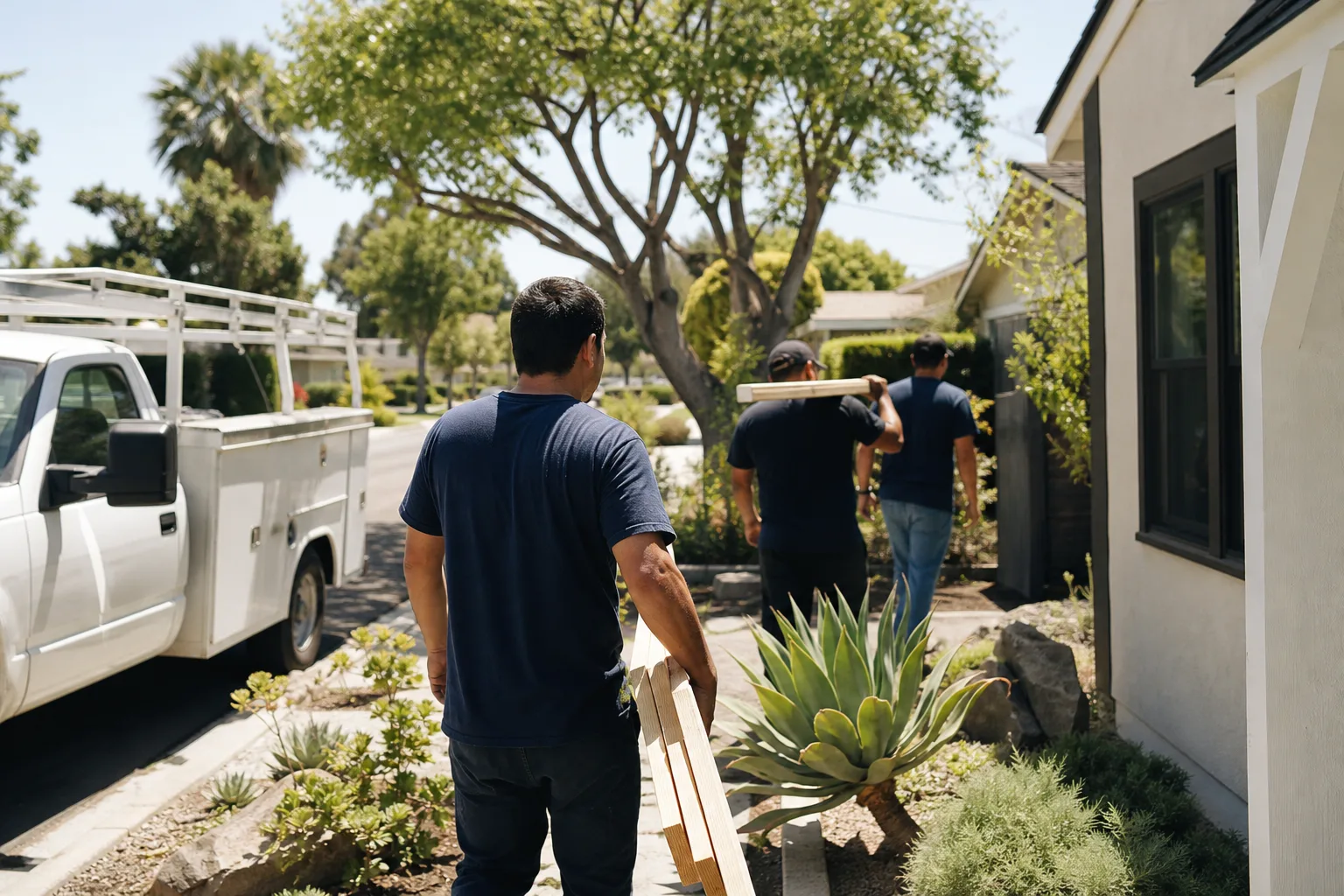
We stock the common components on our trucks – Dvele-spec conduit, meter bases, cleanout fittings, and drainage materials – so a simple fix often happens same-visit. For larger components, we order direct from the same supply houses Dvele references in their installation manuals, which keeps compatibility tight and lead times short. We also work regularly with Abodu and Cover platforms, so if you’re comparing systems, we can talk you through the site prep differences honestly.
Written by Reed Calloway, Owner, Fielding ADU Thousand Oaks at Fielding ADU Thousand Oaks, serving Thousand Oaks and nearby areas.