Dvele Junior ADU Conversion: The Thousand Oaks Owner’s Guide
Dvele Junior ADU conversions in Thousand Oaks typically cost $145,000 to $235,000 installed, depending on whether you’re converting a garage shell, upgrading an existing permitted space, or starting from a bare Dvele chassis panel set. We stock Dvele-compatible conversion hardware and can usually start within two to three weeks of your written approval. Most owners discover they need this level of conversion work when a Dvele panel seam opens, the mechanical chase no longer seals, or the subpanel stops passing a load test after a hot Ventura County summer.
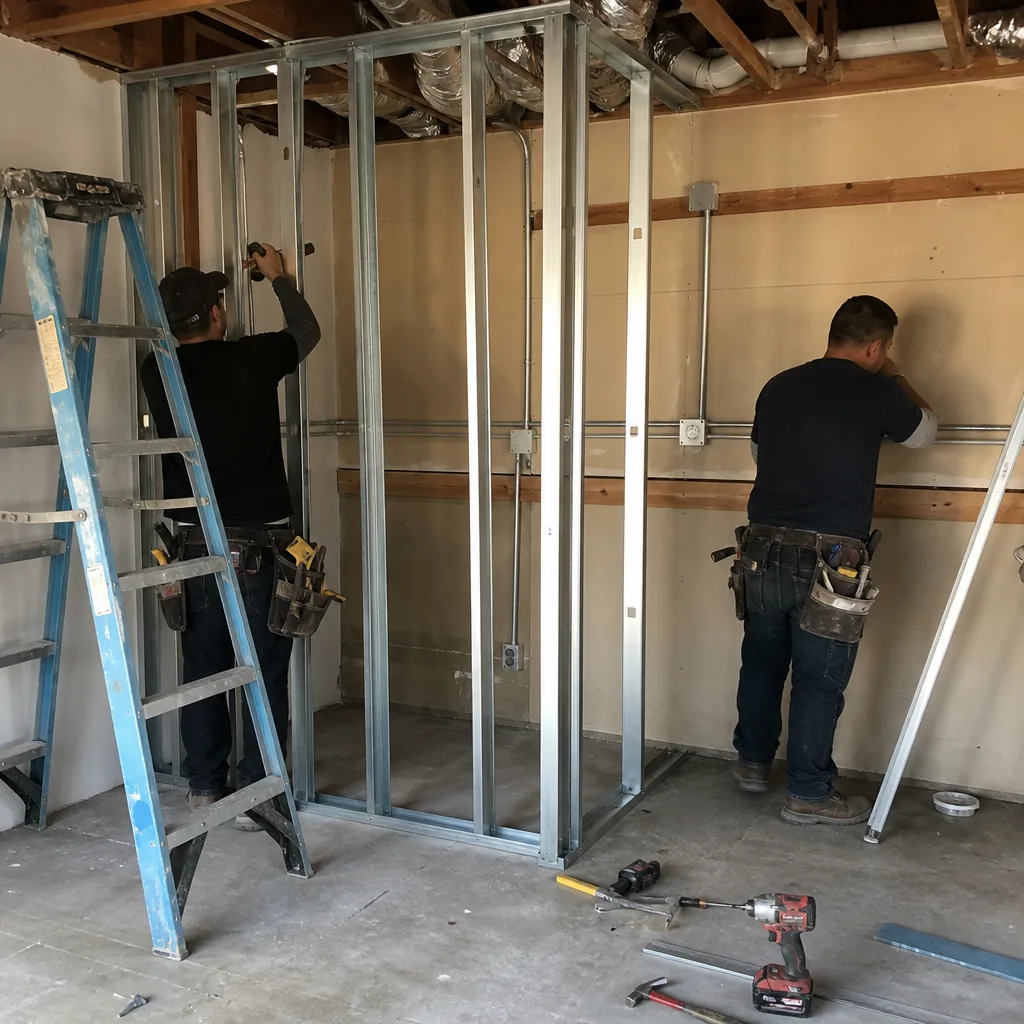
The Dvele platform is different from a standard stick-frame conversion. Dvele builds with precision wall and floor cassettes that ship pre-wired and pre-plumbed from the factory. When a cassette fails or a conversion was never finished properly at install, you’re not patching drywall. You’re re-establishing the envelope, the electrical continuity, and the mechanical seal. That’s the work this page covers, and it’s work we’ve done across Thousand Oaks, including several Lynn Ranch properties where the original Dvele install left gaps a standard inspector would flag in minutes.
Which Dvele Models This Applies To
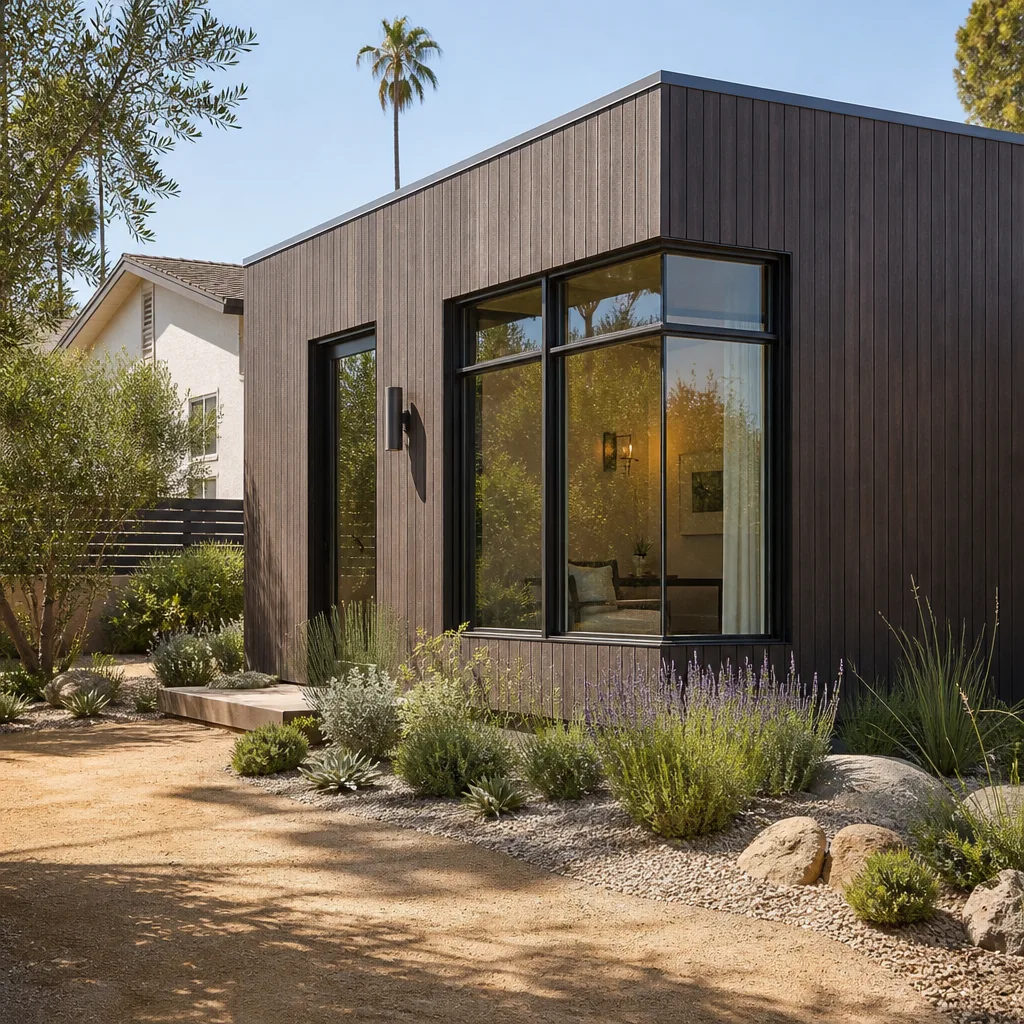
This applies to every Dvele Junior ADU configuration we’ve encountered in Thousand Oaks: the 480 SF studio layout, the one-bedroom variant with the split mechanical closet, and the taller 9-foot-ceiling version Dvele shipped to California buyers after 2021. The conversion path differs by chassis generation. Earlier Dvele Junior units used a bolted steel corner connector at the wall-to-floor cassette joint. Later units switched to a welded corner with an integrated seismic bracket. If you have the bolted version and the bolts were never re-torqued after the first Ventura County heat cycle, that joint is your first point of failure.
To identify what you have, look at the cassette label plate inside the mechanical closet door. The plate lists the chassis series, the build date, and the panel spec. A Dvele Junior from 2020 with the bolted corner connectors needs a different conversion kit than a 2023 unit with welded corners. We stock both Dvele OEM corner hardware and a quality aftermarket equivalent from a Southern California fabricator that matches the original torque and shear ratings. For most Thousand Oaks owners, the aftermarket kit is the better value, and we’ll put that recommendation in writing with the exact part numbers before you commit.
Signs Your Dvele Junior ADU Conversion Is Failing
- Visible seam separation at the wall-to-floor joint. Dvele cassettes are engineered to tight tolerances, but Ventura County temperature swings between Newbury Park mornings and afternoon heat cause thermal movement. If you can slide a credit card into the seam, the corner connectors have lost torque and the envelope is no longer sealed.
- Persistent condensation inside the mechanical chase. This is usually the chase seal failing where the factory vapor barrier meets the site-built transition. In Thousand Oaks, especially on lots with morning marine layer from the Conejo Grade, this condensation starts as a musty smell and eventually becomes visible water staining.
- Breakers tripping on the subpanel when the mini-split cycles. Dvele Juniors use a compact electrical panel that runs near its rated capacity. If the panel connections were never re-torqued after shipping, the high-draw HVAC start pushes a loose lug past its rating. We see this regularly on conversions done by general contractors who didn’t know the Dvele spec calls for a specific torque sequence.
- Floor deflection you can feel when walking across the room. The Dvele Junior floor cassette is rated for a specific uniform load. If a previous conversion added a water heater or stacked laundry without addressing the floor load path, the cassette sags. You’ll feel it as a soft spot near the center of the room.
- Exterior wall panel delamination. California UV exposure is hard on composite wall skins. A Dvele Junior that faces full west sun in Thousand Oaks will show panel edges lifting after five to seven years if the conversion trim wasn’t flashed correctly. Once water gets behind the skin, the panel’s structural rating drops.
Replacement Cost & What’s Included
For a Dvele Junior ADU conversion in Thousand Oaks, here’s the range you should expect before permit fees:
- Full conversion from unfinished space: $145,000 – $185,000
- Complete re-conversion of an existing failed Dvele Junior: $165,000 – $235,000
- Corner connector re-torque and seam re-seal only: $4,200 – $7,800
- Subpanel torque sequence and electrical re-certification: $1,900 – $3,400
- Mechanical chase re-seal with new vapor barrier transition: $2,600 – $4,900
The spread depends on what’s behind the wall once we open it. A Dvele Junior that was never properly converted often has hidden water damage in the floor cassette or corroded connectors at the chassis corners. You’ll see that in writing on our fixed-price quote before we start anything. Every conversion includes a written line-item scope, a full year of The Garrison Standard coverage, and the same background-checked crew on site from first cut to final inspection. No change orders after the price is set. That’s how we work, and Reed Calloway has been holding to it in Thousand Oaks for years.
DIY or Call Us?
There are things you can safely check on a Dvele Junior: the visible seam gaps, the condensation pattern around the mechanical closet, the label plate data for your chassis series. Write those down, take photos, and call us. What you should not do is re-torque corner connectors, open the subpanel, or cut into the mechanical chase. The Dvele cassette system is factory-engineered, and the electrical side of a Junior ADU is not forgiving when a homeowner guesses at a torque spec. A loose lug on that compact panel can arc and cause a fire. That’s not a scare tactic; it’s the same thing the Ventura County inspector will tell you.
If the problem is cosmetic, like trim flashing, and you’re comfortable on a ladder with the right materials, that’s a reasonable owner-level fix. Anything structural, electrical, or envelope-related, call (805) 309-3020. We’ll schedule a site visit, put the repair scope in writing, and you’ll know exactly what it costs before we touch anything.
FAQs
A properly executed Dvele Junior conversion in Thousand Oaks should hold its structural and envelope integrity for 20 to 30 years, but the corner connectors and chase seals typically need re-torquing and re-sealing every five to seven years due to Ventura County’s temperature swings and the Conejo Grade’s wind exposure. The factory panel skins last longest when the conversion trim is flashed correctly the first time.
Yes, in most cases. The corner connectors, subpanel, and chase seals are all replaceable components if caught before water damage spreads into the floor cassette. If water has sat in the cassette long enough to delaminate the engineered wood core, that section must be replaced. Call (805) 309-3020 and we’ll tell you honestly which path you’re on after the first inspection.
A corner connector re-torque and seam re-seal takes one to two days on site. A full re-conversion of a failed Dvele Junior runs four to eight weeks, including the Ventura County permit cycle. We pull the permits, schedule the inspections, and keep you informed at each step.
We stock Dvele-compatible corner connectors, chase seals, subpanel lugs, and the aftermarket hardware kit on the truck for immediate Thousand Oaks service. If your unit needs a full cassette section from Dvele, that’s a factory order with a two-to-four-week lead time. For Abodu and Cover owners reading this, we stock compatible hardware for those platforms as well.
If your Dvele Junior ADU is showing any of the signs above, call (805) 309-3020 today. We’ll schedule a free estimate, put the scope and price in writing, and build it as written.
Written by Reed Calloway, Owner, Fielding ADU Thousand Oaks at Fielding ADU Thousand Oaks, serving Thousand Oaks and nearby areas.