Dvele Room Addition Contractor in Thousand Oaks: What to Know First
Dvele room additions in Thousand Oaks typically run $220 – $410 per square foot before permit fees, with most projects completing in 10 to 16 weeks once the city approves plans. We’re an independent Dvele service provider, not a factory-authorized dealer, which means we answer to you, not a manufacturer’s warranty department. If you own a Dvele home and need a room addition contractor who understands how these panelized structures go together, call (805) 309-3020 for a written estimate.
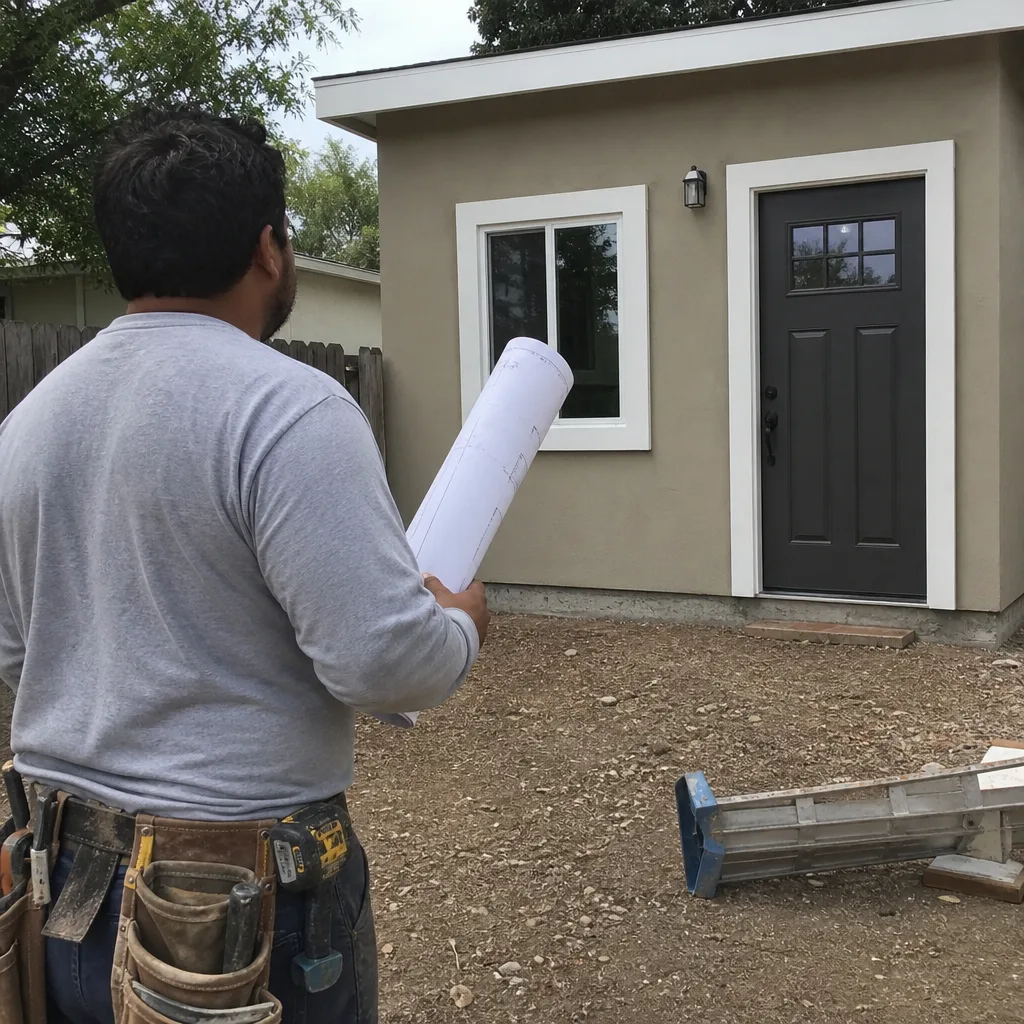
This page is for Dvele owners in Thousand Oaks, Newbury Park, Westlake Village, and the Conejo Valley who need someone who knows the difference between a Dvele wall panel and a conventional stick-framed wall. Reed Calloway and the Fielding ADU Thousand Oaks crew have worked on Dvele structures across the area, including Lynn Ranch and Lang Ranch, where lot geometry and hillside setbacks make every addition a little different.
Key Takeaways
- Dvele additions cost $220 – $410/sq ft in Thousand Oaks, depending on foundation work and utility tie-ins.
- We’re independent; we make repair and addition decisions that protect your Dvele warranty, but Dvele doesn’t dictate our pricing or our schedule.
- Every Dvele addition gets a written price before work starts and a written one-year guarantee when it’s done.
- Permits in Thousand Oaks run through the city’s building division; we pull them, we schedule inspections, and we don’t start framing until the permit board is on the wall.
How Dvele Products Fail – and How We Fix Them
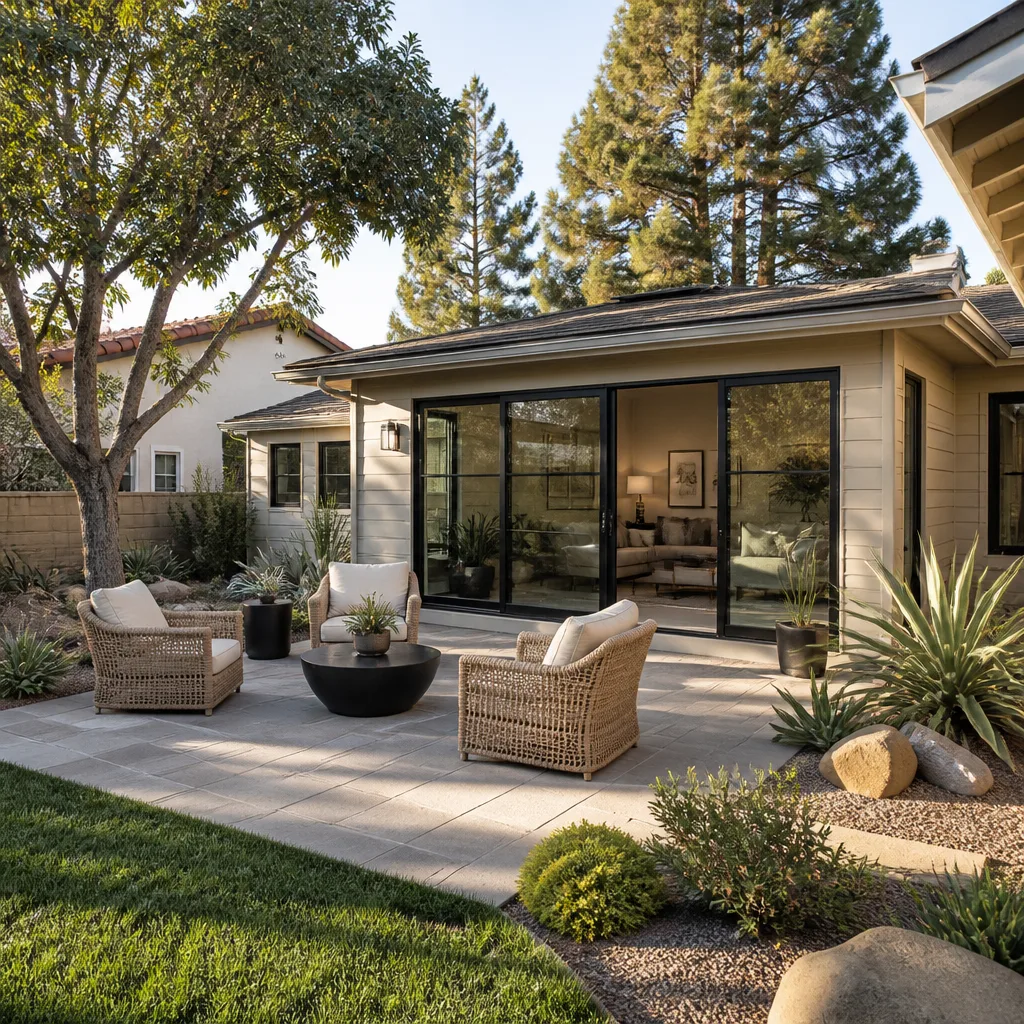
Dvele homes are built differently from conventional construction. Wall panels arrive pre-assembled from the factory, electrical and plumbing chases are routed through insulated cavities, and the whole structure depends on tight panel-to-panel connections. When something goes wrong during an addition, it’s usually at the junction where new work meets the existing Dvele envelope. Here’s what we see in Thousand Oaks:
- Panel joint separation at the new-addition tie-in. Dvele’s wall panels are joined with mechanical fasteners and sealants at the factory seams. When a conventional stick-framed addition butts against an existing Dvele wall, differential expansion between the two materials opens hairline cracks along the seam, especially on the north-facing walls in Thousand Oaks that swing from cool marine mornings to 90-degree afternoon heat. We isolate the junction with a flexible transition detail rather than trying to make dissimilar materials move together.
- Vapor barrier breaches during roof tie-ins. Dvele panelized roofs use a continuous air and moisture barrier that’s part of the structural panel. A roofer who doesn’t know Dvele will slice through that barrier to tie in new rafters, and six months later you get condensation inside the wall cavity. We’ve corrected this on Dvele homes in Thousand Oaks where the original addition was done by a conventional GC who treated the Dvele roof like any other roof. The fix involves re-establishing the barrier continuity at the transition before any finish work.
- Chase misalignment in Dvele Series 2 and Series 3 floor panels. Dvele routes electrical and plumbing through pre-cut chases in the SIPs (structural insulated panels). When an addition needs a new circuit pulled from the main panel, those chases were never meant to carry added load. We map the chases with the original Dvele panel schedule before cutting anything, and we run new conduit on the interior side of the panel rather than notching an engineered panel. Notching a SIP without an engineer’s sign-off is how you end up with a structural repair that costs more than the addition did.
- MEP punch-out failure at the factory packaging junction. Dvele ships utilities pre-stubbed behind accessible panels. Additions that require extending plumbing or HVAC from those stubs often reveal that the factory stub-outs were never meant to be reconfigured. On a Thousand Oaks Dvele addition we did near Wildwood Park, the original sub had spliced into a drain stub with a fitting that wasn’t rated for in-wall use. We replaced it with a proper in-wall coupling, inspected to code, and documented it for the homeowner’s warranty file.
- Stucco and siding mismatch at the seam. Dvele exteriors on many Thousand Oaks homes use a fiber-cement or stucco finish applied over the panelized shell. When an addition matches stucco to stucco, the new work cures and moves differently than the factory-cured original. We specify a control joint at the transition and match the finish color from the Dvele finish schedule, not from a visual sample. It’s a small detail that keeps the addition from looking like a patch six months after we leave.
These aren’t hypothetical failure modes. They’re things we’ve repaired on Dvele structures in Thousand Oaks after other contractors did the work without knowing the platform. That’s the difference between a Dvele-aware contractor and a general GC who happens to be available.
Our Dvele Room Addition Contractor Process
Every Dvele addition we do follows the same sequence. No skipped steps, no surprises on the invoice.
- 1
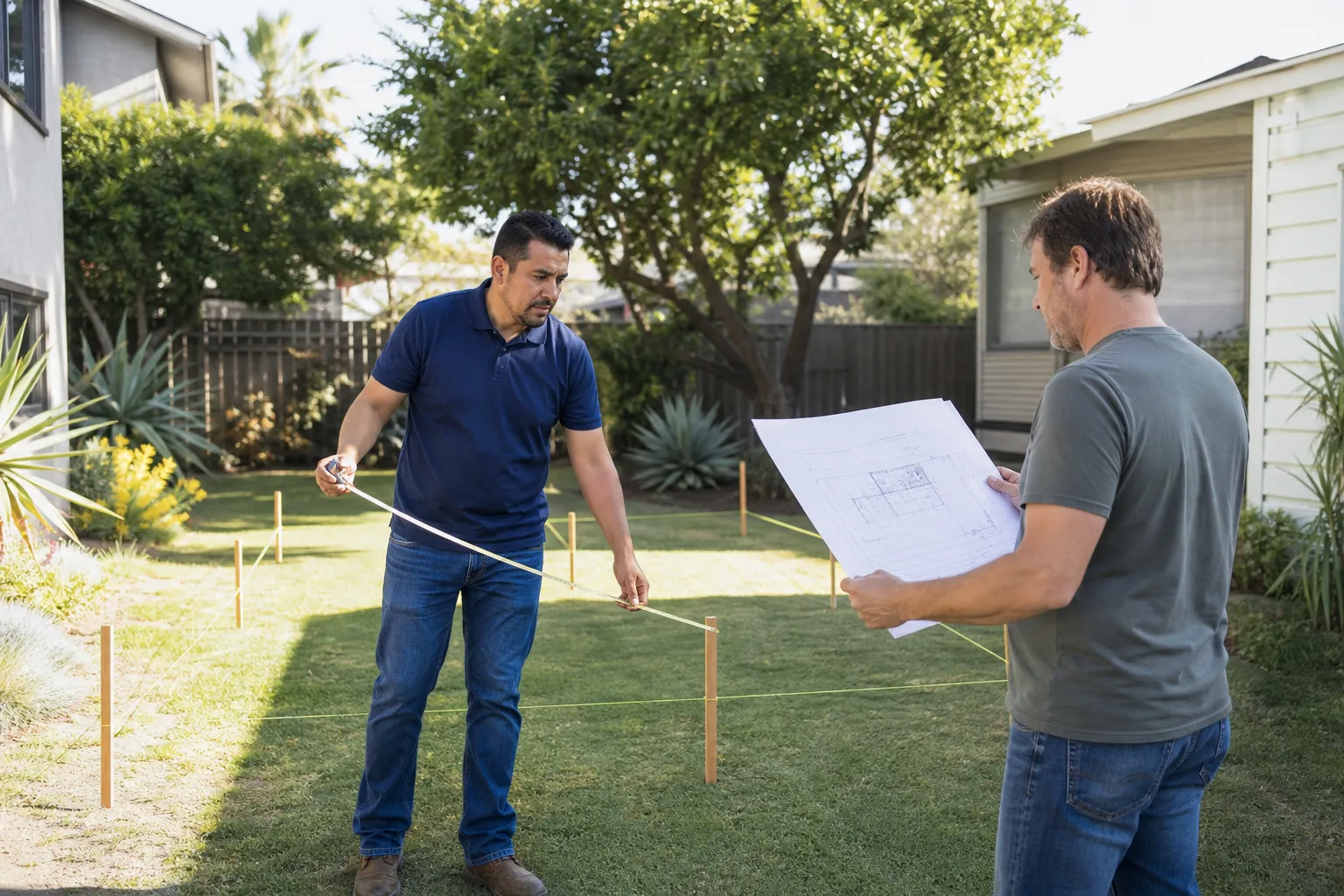
Site visit and Dvele panel schedule review. We locate the original panel layout, confirm which walls are load-bearing, and identify where new work will tie in. Reed Calloway is on every first visit in Thousand Oaks, and he’ll want to see your original Dvele plans if you have them.
- 2
Written scope and price. Before any work starts, you get a line-item scope and a fixed number. The price covers the addition, the tie-in work, and the permit fees we can predict. No change orders unless you change the scope, and we put that in writing too.
- 3
Permits and engineering. We pull the Thousand Oaks building permit, coordinate with the city’s plan check, and bring in a structural engineer when the addition modifies any Dvele load-bearing panel. The permit board goes on the wall before we open anything up.
- 4
Demolition and tie-in. We open the existing Dvele envelope at the tie-in point, protect the factory weather barrier, and frame the addition. If the addition needs to tie into Dvele chases for electrical or plumbing, we map those before cutting and document what we find.
- 5
MEP, insulation, and finish. Rough-in, insulation to Title 24 standards for Thousand Oaks (which is stricter than state minimum on the west side of the Conejo Grade), drywall, flooring, and exterior finish matched to your Dvele schedule.
- 6
Inspection, walkthrough, and the written guarantee. The city inspects, we walk the job with you, and you get The Garrison Standard guarantee in writing: one full year. If something fails, we come back and fix it. No charge.
What Dvele Room Addition Contractor Costs in Thousand Oaks
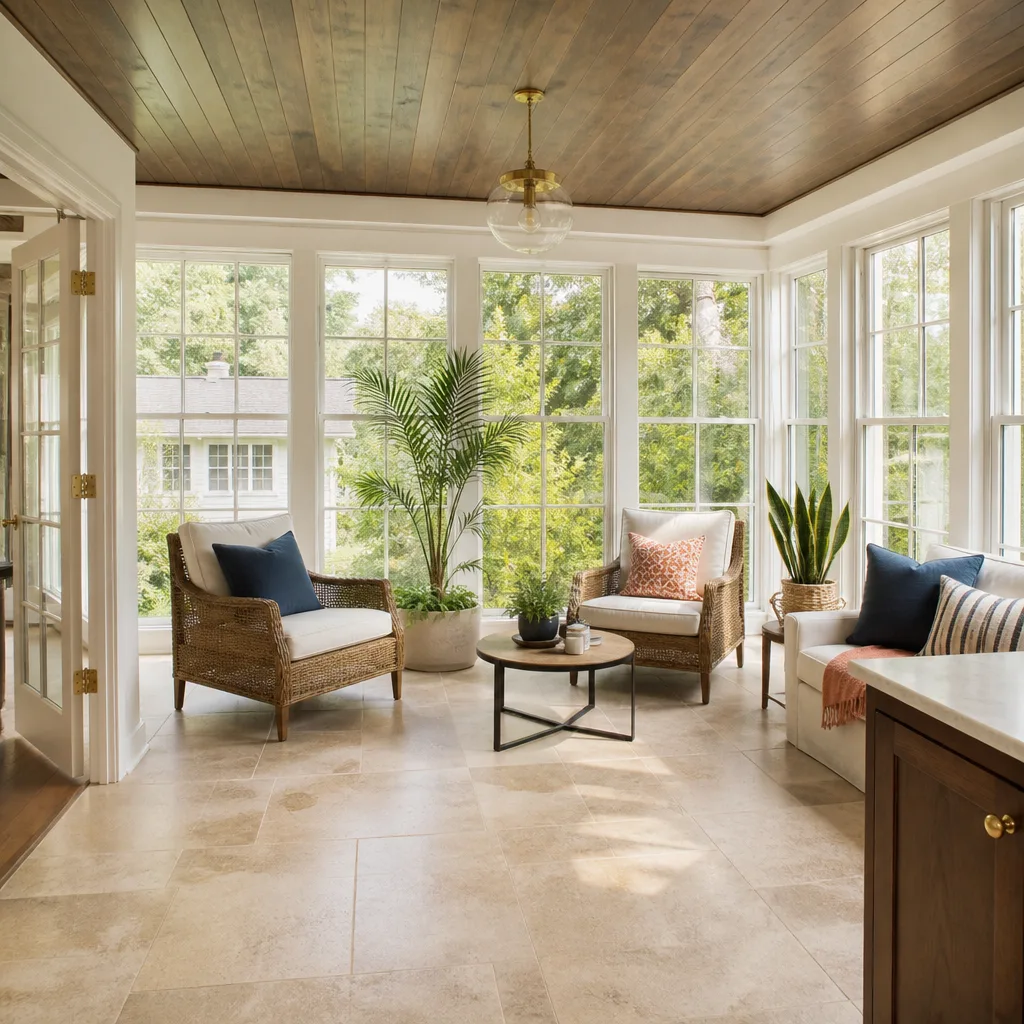
Here’s what we charge for the room addition work we do on Dvele homes in Thousand Oaks. These are real numbers we’ve quoted on actual jobs, not website placeholders.
| Scope | Typical Range | What Affects Price |
|---|---|---|
| Single room addition (120 – 200 sq ft) | $26,400 – $82,000 | Foundation type (slab vs. raised), tie-in complexity, finish level |
| Primary suite addition (300 – 450 sq ft) | $66,000 – $184,500 | Bathroom count, plumbing distance from main stack, Dvele chase access |
| Second-story Dvele addition | $310 – $410 per sq ft | Structural reinforcement, stair placement, panel removal and re-installation |
Permit fees in Thousand Oaks run separately and typically add $1,800 – $4,500 depending on the project valuation. We quote them in writing, and we don’t pad them. If you’re comparing Dvele addition bids, ask whether the number includes the tie-in work. The cheapest bids usually don’t, and that’s where the unexpected change orders come from. Call (805) 309-3020 for a free estimate. You’ll get a written number, not a phone-conversation ballpark.
Why Thousand Oaks Homeowners Call Fielding ADU Thousand Oaks for Dvele Work
We’re not the only room addition contractor in the Conejo Valley, but we’re one of the few that’s actually opened up a Dvele wall panel and put it back together correctly. That matters when your addition has to tie into a factory-built structural system that doesn’t forgive sloppy work.
Every job we do gets The Garrison Standard: a written price before any work starts, background-checked and uniformed crew on site, and a one-year written guarantee that covers workmanship defects. If the addition develops a problem within 365 days, we return and correct it at no charge. That’s not a verbal promise. It’s written on the document you get with your final invoice.
We also work with every major prefab and modular ADU platform – including Abodu, Cover, Mighty Buildings, Boxabl, and Plant Prefab – plus conventional builds using James Hardie siding and Tuff Shed-style structures. That means if your Dvele addition isn’t the right scope for your lot, we’ll tell you what is rather than forcing a square peg into a round hole. Reed Calloway’s crew has been building and converting ADUs in Thousand Oaks for years, and Reed keeps a worn copy of the Ventura County building code on his truck seat. He’ll quote it if the situation calls for it.
Put it in writing, build it as written. That’s how we do a Dvele addition, and that’s how we’ve always done it.
FAQs
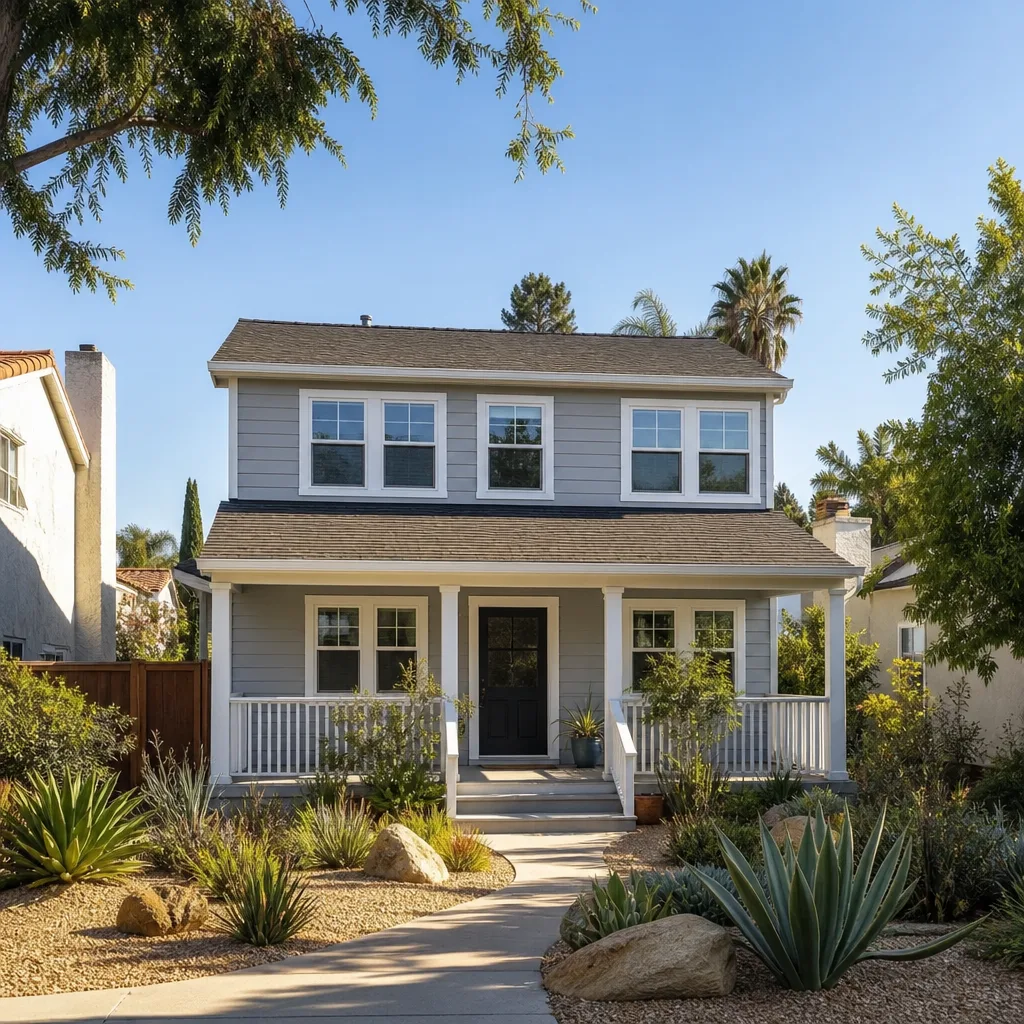
Does adding a room to my Dvele home void the Dvele warranty? It can, if the addition compromises the factory weather barrier or structural panels and Dvele determines the modification caused a failure. We protect your original Dvele warranty by isolating new work at the tie-in, using Dvele-compatible materials at the junction, and documenting everything for your records. We’re an independent Dvele service provider, not factory-authorized, so our work won’t be automatically blessed by Dvele’s warranty department – but we build additions that spec-writers would sign off on.
How long does a Dvele room addition take in Thousand Oaks? Plan on 10 to 16 weeks from the day we pull the permit to the final inspection. Thousand Oaks plan check typically runs 3 to 6 weeks depending on the scope and whether the addition triggers a hillside or setback review. The physical construction moves faster on a Dvele home than on some others because the existing shell is dimensionally stable, but the permit process is the same regardless of what brand your house is. Call (805) 309-3020 and we’ll give you a realistic timeline for your specific addition.
Do you use OEM Dvele parts or aftermarket materials for additions? We use whatever the job requires and whichever option gives you the best long-term result. Dvele doesn’t sell a la carte panel extensions to independent contractors, so additions are framed conventionally and tied in using materials compatible with the Dvele envelope. Where we can use factory-matched materials, we do. Where aftermarket is better, we say so and show you the difference in writing.
What does a Dvele addition cost per square foot in Thousand Oaks? $220 – $410 per square foot depending on scope, foundation work, and finish level. That’s before permit fees, which run $1,800 – $4,500 on most Dvele additions in the Thousand Oaks building division. The price goes in writing before any work starts, and the number you approve is the number on the final invoice.
Can you match the Dvele exterior finish on my addition? Yes. We order from the Dvele finish schedule and match the color from the factory spec, not from a faded exterior sample. We also install a control joint at the transition so the new finish moves independently from the original. That’s the detail most contractors skip, and it’s why you see additions on Dvele homes in Thousand Oaks with hairline cracks along the seam a year later.
Call (805) 309-3020 for a free estimate. You’ll talk to a person, not a voicemail, and you’ll get a written price before any work starts.
Written by Reed Calloway, Owner, Fielding ADU Thousand Oaks at Fielding ADU Thousand Oaks, serving Thousand Oaks and nearby areas.